 By Saurav Mehra
 Ship chandlers, contractors, and mechanics from across Maharashtra have been making the trip to this one street for their bearings, pipe fittings, and industrial adhesives for decades. Nagdevi Street doesn’t attract tourists or casual shoppers — it runs almost entirely on trade, and that’s exactly what’s kept it relevant through a century of Mumbai’s changing commercial landscape.
A Street Named for a Serpent Goddess
Nagdevi Street’s name goes back to a small temple dedicated to Nag Devi, the serpent goddess, that once stood in the locality. As Bombay expanded into a major port and commercial city under British rule, nearby areas including Crawford Market, Mohammed Ali Road, and Abdul Rehman Street developed into dense wholesale trading zones, and Nagdevi Street carved out its own niche within that ecosystem — becoming especially important for engineering goods, ship supplies, industrial tools, and machinery products. Over the decades, traders from different business communities established shops and warehouses here, and many family-run businesses still operate from the same old commercial buildings today.
Nagdevi Street Quick Facts
| Category | Details |
| Location | Kalbadevi, South Mumbai (Chippi Chawl area) |
| Pin code | 400003 |
| Postal head office | Null Bazar |
| Nearby localities | Masjid Bandar, Vitthalwadi, Zaveri Bazar, Pydhonie |
| Nearest railway station | Masjid — approx. 9 min walk |
| Alternate railway station | Chhatrapati Shivaji Maharaj Terminus (CSMT) |
| Nearest bus stops | Zakeria Masjid, Chakala Market, Musafir Khana, Pydhuni |
| Nearest metro | Kalbadevi (Line 3) |
| Established trade era | British colonial period |
| Named after | Nag Devi (serpent goddess) temple |
| Best known for | Hardware, industrial tools, ball bearings, adhesives, sanitaryware |
| Nearby wholesale markets | Mulji Jetha Market, Mangaldas Market (textiles) |
| Character | Dense, crowded, wholesale-trade-focused |
Where Nagdevi Street Sits
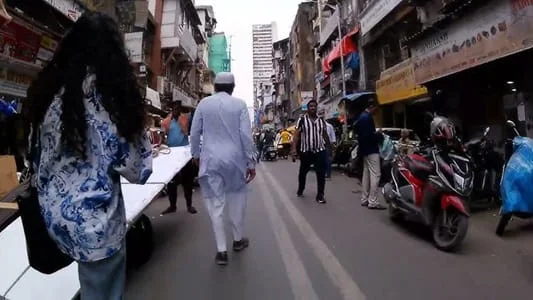
Nagdevi Street sits in Kalbadevi, one of South Mumbai’s oldest and densest commercial neighbourhoods, within the Chippi Chawl pocket close to Masjid Bandar, Vitthalwadi, Zaveri Bazar, and Pydhonie. It runs near Crawford Market, Mohammed Ali Road, and Masjid Bunder, placing it firmly within Mumbai’s historic old-town trading belt — an area that developed as the city expanded into a major port and commercial hub under British rule. The street’s central commercial location makes it accessible from different parts of Mumbai, though the sheer density of the surrounding lanes means the approach itself is part of the experience.
Getting to Nagdevi Street
Masjid railway station, on the Central line, is the most commonly cited option, sitting about a nine-minute walk away. Chhatrapati Shivaji Maharaj Terminus (CSMT) also counts among the nearest major stations, useful if you’re arriving from further out on either the Central or Western line network. Kalbadevi itself is within walking distance of three key stations — CST, Masjid Bunder, and Marine Lines — and traders and buyers living in the suburbs typically rely on these three to reach the area.
Beyond suburban rail:
- Metro: Kalbadevi metro station, on Line 3, sits roughly a sixteen-minute walk away — a longer approach than the train, but a workable option depending on where you’re coming from.
- Bus: Local bus stops including Zakeria Masjid, Chakala Market, Musafir Khana, and Pydhuni all serve the wider Nagdevi Street and Kalbadevi area, along with several BEST routes running through the district.
- Auto/cab: Available, though this part of South Mumbai gets genuinely congested during business hours, and the street itself is narrow enough that most people finish the trip on foot regardless of how they arrive.
It’s worth being realistic about traffic here: getting into the Kalbadevi market by any form of transport is difficult during peak hours specifically because of how crowded the lanes get, so building in extra time — or simply walking the final stretch from the nearest station — tends to save more hassle than trying to drive or cab all the way in.
Shops and What the Street Is Known For
Hardware and industrial goods define Nagdevi Street entirely. Shops here deal in tools, machine parts, pipes, fittings, engineering goods, ball bearings, pressure gauges, sanitaryware, industrial lubricants, adhesives, and o-rings and seals — the unglamorous but essential supplies that keep workshops, factories, and construction sites running. Multiple verified listings show a genuine density of specialised traders clustered here and in the adjoining Nagdevi Cross Lane — hardware wholesalers, ball bearing dealers, and pressure gauge manufacturers, several with hundreds of recent customer enquiries, reflecting steady and ongoing demand rather than a fading trade.
This isn’t retail shopping in any conventional sense; it’s a wholesale trading street built for contractors, mechanics, ship suppliers, and bulk buyers rather than casual browsers. The street’s customer base reflects that focus — traders travel here from across Maharashtra and neighbouring states specifically because Nagdevi Street offers competitive wholesale pricing on industrial products that would cost considerably more sourced individually elsewhere. The atmosphere is dense and businesslike: narrow lanes, stacked inventory, and shopkeepers who deal in volume rather than one-off retail sales.
Nearby Areas Worth Visiting Together
Crawford Market, close by, is one of Mumbai’s most famous wholesale markets for fruits, vegetables, and general goods, housed in a striking colonial-era building near CST.
Zaveri Bazaar, Mumbai’s historic jewellery market, sits nearby in Kalbadevi and offers a completely different specialty trade within easy walking distance.
Mulji Jetha Market and Mangaldas Market, two of the largest textile wholesale markets in Asia, are reachable via Hanuman Galli off Kalbadevi Road — particularly popular for wedding and fabric shopping.
Mohammed Ali Road, running alongside the area, is well known in its own right for food, particularly during Ramadan, and adds a culinary dimension to a visit focused otherwise on wholesale trade.
FAQs
Q1. Which railway station is closest to Nagdevi Street, and how long is the walk?
Masjid railway station, about a nine-minute walk away, is the closest, with Chhatrapati Shivaji Maharaj Terminus also counting among the nearest major stations for those arriving from further out.
Q2. What does Nagdevi Street specialise in, and is it useful for individual buyers or only bulk traders?
The street specialises in hardware, industrial tools, machine parts, bearings, pipes and fittings, and general engineering and sanitaryware goods, sold largely at wholesale prices. While it’s primarily built for contractors and bulk buyers, many shops do serve smaller retail purchases too — it’s worth calling ahead or checking with a specific shop if you need just one or two items rather than bulk stock.
Q3. Is Nagdevi Street a tourist shopping destination, or purely for trade purposes?
It’s a working trade street serving contractors, mechanics, and industrial buyers rather than casual retail shoppers — there’s little here for a typical tourist itinerary, but it’s genuinely useful if you’re sourcing hardware or industrial supplies while in Mumbai.
Q4. How crowded does Nagdevi Street get, and when’s the best time to visit?
The Kalbadevi market area is consistently described as very crowded, especially during peak business hours, making both transport and walking through the lanes slower. Visiting earlier in the day, before the main rush builds up, and being prepared to walk the final stretch rather than drive in, makes for a considerably smoother trip.