 By Saurav Mehra
 Behind the ordinary-sounding name lies a genuine piece of colonial Madras history — Linghi Chetty was an 18th-century merchant and one of the early Indian Mint Masters associated with the colonial-era mint in the city, influential enough that George Town named an entire street after him. Today, that street runs on machinery and hardware rather than history, functioning as one of North Chennai’s essential wholesale destinations for anyone building, fixing, or fitting out a workshop.
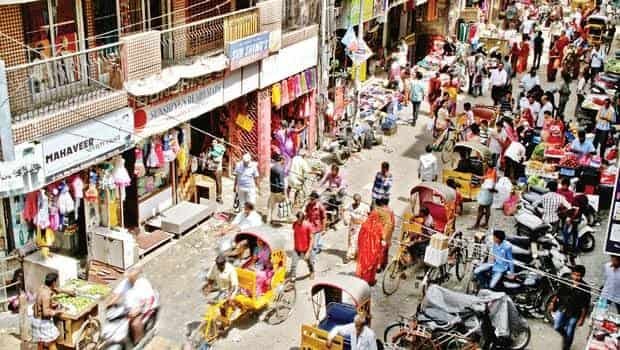
A Street Named After a Telugu Merchant of Old Madras
Linghi Chetty Street sits within the historic core of George Town, Parry’s Corner, where residents in earlier days were predominantly Telugu, with a sizeable Tamil population alongside them. A significant share of the area’s early trade and business was handled by this Telugu merchant community, and the street names reflect it directly — Govindappa Naick, Angappa Naick, Kasi Chetty, Rasappa Chetty, Kondi Chetty, Thambu Chetty, and Linghi Chetty are all names honouring these early Telugu traders who kept Madras’s commercial wheels turning through the 17th and 18th centuries.
Historians and heritage writers have noted that Chennai genuinely lacks a proper compendium documenting these street names and the people behind them — a gap Kolkata’s own street-history tradition has filled far more thoroughly. Linghi Chetty, whose name has anchored this street for centuries, remains a relatively unsung figure despite his role in the city’s colonial-era commercial and monetary systems.
Linghi Chetty Street Overview
| Category | Details |
| Location | George Town/Parry’s Corner, Chennai — 600001 |
| Named after | Linghi Chetty, 18th-century merchant and early Indian Mint Master |
| Nearby localities | Broadway, Mahfushkhan Garden, Seethakadi Nagar, Thiruvalluvar Nagar |
| Postal head office | Sowcarpet |
| Best known for | Steel hardware, electric motors, pump sets, tools, industrial equipment |
| Customer base | Contractors, builders, engineers, retailers, hardware dealers |
| Notable listed business | Chains & Allied Concern (belts and conveyors) |
| Neighbouring streets | Thambu Chetty Street, Kasi Chetty Street |
| Nearby amenities | Small tea shops, ATMs, pharmacies, small clinics |
| Parking | Limited on-street; peripheral paid lots recommended |
| Active hours | Early morning to late afternoon/evening |
| Character | Functional, unglamorous, wholesale-first |
Where Linghi Chetty Street Sits
Linghi Chetty Street runs through George Town, in the Parry’s Corner locality of North Chennai, close to Broadway and Mahfushkhan Garden. It sits within genuine walking distance of neighbouring Thambu Chetty Street and other historic George Town lanes, positioning it firmly within Chennai’s oldest and densest commercial district. The street’s pin code, 600001, places it squarely within the heart of colonial-era Madras’s original trading footprint.
Getting to Linghi Chetty Street
Given its location deep within George Town’s historic core, Linghi Chetty Street benefits from the same broad connectivity as the wider Parry’s Corner cluster — High Court and Mannadi metro stations, both on the Blue Line, serve this part of North Chennai, with Chennai Beach railway station a further rail option.
Beyond the metro:
- Bus: Numerous MTC routes connect Broadway and Parry’s Corner, both within easy reach of Linghi Chetty Street.
- Auto/cab: Widely available, though genuinely essential for the final stretch given how dense and narrow George Town’s core lanes remain.
- Parking: Limited on-street parking is a real constraint here — using peripheral paid lots or public transport is the more practical approach for anyone planning a proper sourcing trip.
Given the street’s role as a serious hardware and machinery sourcing destination rather than a casual browsing stop, most visitors arrive with a specific shopping list in mind, and the practical infrastructure around the street — tea shops for refreshment breaks, ATMs and basic banking for business transactions, pharmacies for emergencies — reflects that working, business-first character.
Shops and What the Street Is Known For
Steel hardware, electric motors, pump sets, tools, and industrial equipment define Linghi Chetty Street’s entire commercial identity. It functions as a vital artery in North Chennai’s trading ecosystem, drawing hardware dealers, contractors, builders, engineers, and retailers from across Tamil Nadu and neighbouring states specifically for the range and competitive pricing available here. Chains & Allied Concern, dealing in belts and conveyors, is one specific established business on the street, reflecting the kind of specialised industrial supply trade that’s built the street’s reputation over generations.
The atmosphere here is genuinely energetic and unpolished — shops overflowing with metal goods, machinery parts, and industrial supplies, offering an authentic glimpse into Chennai’s longstanding wholesale commerce, much like its neighbouring streets throughout George Town. It’s worth being upfront: this isn’t a shopping destination built for casual browsing or comfort. It lacks modern conveniences like air-conditioning or food courts, public restrooms are limited (larger nearby buildings offer better options), and the area quiets down significantly once evening sets in. What it does offer, though, is genuine functional utility and value-for-money that’s kept generations of Chennai’s building and engineering trade coming back.
Nearby Areas Worth Visiting Together
Thambu Chetty Street, close by, shares Linghi Chetty Street’s historical naming convention and George Town’s broader wholesale trading character.
Kasi Chetty Street, nearby, offers a completely different George Town experience — imported toys, gifts, perfumes, handbags, electronics, and fabrics, popular specifically for souvenir and gift shopping.
Broadway, right alongside, is one of George Town’s most historic thoroughfares and a natural extension of any walk through this part of North Chennai.
Armenian Street, geographically close but characteristically quieter, is named after the Armenian settlers who were among Madras’s early inhabitants and offers a genuinely different, more subdued heritage experience.
FAQs
Q1. Who was Linghi Chetty, and why does the street carry his name?
Linghi Chetty was an influential 18th-century merchant and one of the early Indian Mint Masters associated with the colonial-era mint in Madras — part of a Telugu merchant community that shaped much of George Town’s early trade and commerce.
Q2. Which metro station is closest to Linghi Chetty Street?
High Court and Mannadi metro stations, both on the Blue Line, serve the wider Parry’s Corner and George Town area that Linghi Chetty Street sits within.
Q3. Is Linghi Chetty Street suitable for individual retail shoppers, or only bulk buyers and contractors?
It’s primarily wholesale-oriented, drawing contractors, builders, engineers, and retailers sourcing hardware and industrial equipment in volume — though individual buyers needing specific tools or machinery parts can generally shop here too, since the street’s dealers cater to a range of purchase sizes.
Q4. What’s the best time to visit Linghi Chetty Street, and is parking easy?
The street is most active from early morning to late afternoon or evening, and quiets down significantly after dark. On-street parking is genuinely limited, so using peripheral paid lots or public transport for the final stretch is the more practical approach.