 By Saurav Mehra
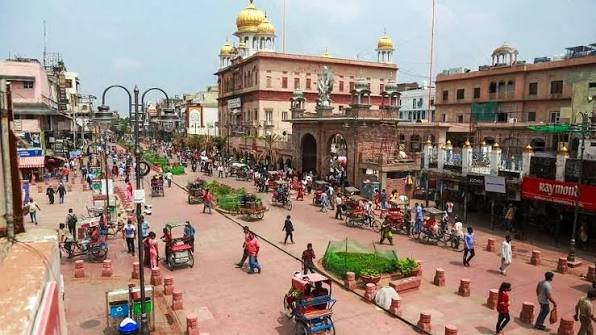
 Nearly four centuries ago, a canal ran straight through the middle of this street, its water reflecting moonlight so beautifully that the entire market took its name from the sight. Chandni Chowk — literally “Moonlight Square” — was designed by Jahanara Begum, daughter of Mughal emperor Shah Jahan, and it remains, even today, one of India’s largest and most historic wholesale markets, drawing shoppers into the same narrow katras and specialised lanes that have defined it for over 300 years.
A Market Built as the Heart of a Mughal Capital
Chandni Chowk’s history is inseparable from Shahjahanabad, the imperial capital Shah Jahan established after building the Red Fort on the banks of the Yamuna River in 1650. The market formed the main commercial artery of that new capital, linking the Red Fort to the Fatehpuri Masjid. A shallow water channel, sourced from the Yamuna, once ran through the centre of the street, with shops lining either side, and the original Chandni Chowk was a half-moon-shaped square positioned before the Delhi Town Hall, its reflection shimmering in a moonlit water pool.
The canals have long since been closed and the urban landscape transformed, but the essential layout survives — narrow katras (alleys), each historically devoted to a specific trade, still structure how the market functions today. Chandni Chowk was historically famous for its silver merchants, giving it a direct linguistic link to “chandi,” the Hindi word for silver, and that specialised-trade character has persisted through centuries even as individual products have evolved.
Chandni Chowk Overviwe
| Category | Details |
| Location | Old Delhi (Shahjahanabad), Central Delhi |
| Built | 17th century, by Mughal Emperor Shah Jahan |
| Designed by | Jahanara Begum |
| Name meaning | “Moonlight Square” |
| Nearest metro (main market) | Chandni Chowk (Yellow Line), Exit Gate 5 |
| Alternate metro | Lal Quila (Violet Line) — for the Red Fort end |
| Metro station location | Kaccha Bagh area |
| Nearest railway station | Old Delhi Railway Station — walking distance |
| Local transport | E-rickshaws (cars restricted on heritage stretch) |
| Key sub-markets | Dariba Kalan (silver), Kinari Bazaar (wedding trims), Khari Baoli (spices) |
| Distance from Red Fort | Approx. 2.2 km from metro station |
| Distance from Jama Masjid | Approx. 2.5 km from metro station |
| Distance from Paranthe Wali Gali | Approx. 1 km from metro station |
| Best visiting time | Around 4:00 PM (golden hour, manageable crowds) |
| Hours | Open 24/7, avoid visiting after 9:00 PM |
Where Chandni Chowk Sits
Chandni Chowk sits at the heart of Old Delhi, close to the Old Delhi Railway Station and stretching between the Red Fort at its eastern end and the Fatehpuri Masjid further along. It’s surrounded by some of Delhi’s most significant historic landmarks — Jama Masjid, one of India’s largest mosques, sits just minutes away, and Gurudwara Sis Ganj Sahib, a historic Sikh shrine, sits right on the main road itself.
Getting to Chandni Chowk
Chandni Chowk metro station, on the Yellow Line, is the primary access point, sitting in the Kaccha Bagh area. Exit Gate 5 brings you straight near Town Hall and the main market, and the station is also within walking distance of Old Delhi Railway Station, with an underground tunnel connecting the two for seamless transfers.
Lal Quila metro station, on the Violet Line, works as an alternative if you’d rather start your visit from the Red Fort end and walk through the market toward Khari Baoli.
Beyond the metro:
- Bus: Old Delhi Railway Station functions as the primary bus terminal for this area, with DTC routes including 114, 419, 425, and 429 running through.
- E-rickshaws: Since cars are restricted on the heritage stretch, e-rickshaws are the easiest way to move within the market itself.
- Walking: Genuinely the best way to explore Chandni Chowk properly — starting at the Red Fort end and working toward Khari Baoli, then taking the metro back from Chandni Chowk station, is a commonly recommended route.
Given the market’s age, narrow lanes, and vehicle restrictions, arriving by metro and covering the rest on foot or by e-rickshaw remains the most practical way to experience Chandni Chowk without frustration.
Shops and What the Market Is Known For
Chandni Chowk is really a collection of specialised sub-markets rather than a single shopping street, and each has carried its own trade identity for generations. Dariba Kalan focuses on silver jewellery, imitation ornaments, and precious stones. Kinari Bazaar is wedding-shopping headquarters — designer replicas, embroidered lehengas, sherwanis, and every conceivable lace, border, tassel, and wedding favour live here, capable of dressing an entire wedding party in one visit. Khari Baoli, the spice market at the far end, is regarded as the largest spice market in Asia, a genuine feast of colour and fragrance where fresh spices, dried fruit, nuts, and loose tea are all available — though better prices tend to turn up the deeper into the market you go.
Beyond these named sub-markets, the street offers textiles, jewellery, electronics, and food in genuinely comprehensive variety, alongside a warren of narrow laneways branching off the main road that reveal street food vendors, chai carts, small temples, shops, and 18th-century havelis — including the Mirza Ghalib Haveli, tucked inside Ballimaran. Street food is a major draw in its own right, with jalebi, paratha, and kebabs among the specialities that pull in visitors independent of any shopping intentions. Paranthe Wali Gali, just a kilometre from the metro station, remains famous specifically for its deep-fried paranthas served amid genuine old-city charm.
Nearby Areas Worth Visiting Together
Red Fort, at the eastern end of the market, is the Mughal palace built by Shah Jahan in 1639, spanning over 250 acres and remaining one of Delhi’s most significant historical monuments.
Jama Masjid, a short distance away, is one of India’s largest and most magnificent mosques, built by Shah Jahan in 1656.
Gurudwara Sis Ganj Sahib, right on the main road, is a historic Sikh shrine worth a visit regardless of your shopping plans.
Paranthe Wali Gali, close to the metro station, offers a genuine old-Delhi food experience alongside the market’s shopping.
FAQs
Q1. Which metro station should I use for Chandni Chowk, and which exit gate matters?
Chandni Chowk metro station on the Yellow Line is the main access point — use Exit Gate 5, which brings you directly near Town Hall and the main market. If you’d rather start from the Red Fort end, Lal Quila station on the Violet Line is the better choice.
Q2. What’s the best way to move around inside Chandni Chowk once I’ve arrived?
Walking is genuinely the best approach for the main stretch, while e-rickshaws are the easiest way to cover longer distances within the market, since cars are restricted on this heritage stretch of Old Delhi.
Q3. What’s the best time of day to visit Chandni Chowk to avoid overwhelming crowds?
Around 4:00 PM is often recommended — the golden-hour light makes the heritage buildings look their best, and crowds tend to feel more manageable compared to peak afternoon or evening hours.
Q4. Can I buy wedding shopping items in one place at Chandni Chowk, or do I need to visit multiple areas?
Kinari Bazaar alone can genuinely dress an entire wedding party — designer replicas, lehengas, sherwanis, and all manner of decorative trims and borders are concentrated here, making it a practical one-stop destination for wedding shopping rather than requiring multiple separate trips.