 By Saurav Mehra
 Before Chennai had pipelines, reservoirs, or any modern water infrastructure, it had seven wells — dug during the 18th century specifically to solve a drinking water crisis at Fort St. George. That solution gave an entire neighbourhood its name, and Seven Wells Street still carries that history, tucked into one of North Chennai’s oldest urban settlements alongside Mint Street and Sowcarpet.
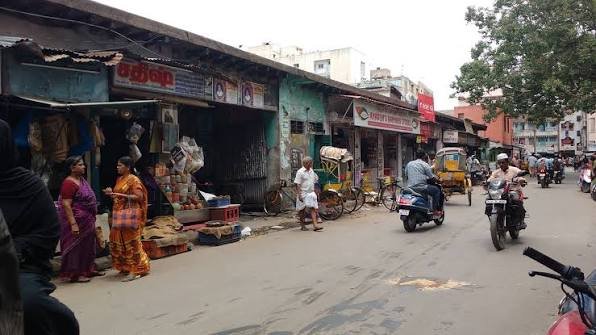
The Street That Solved Madras’s First Water Crisis
Seven Wells Street’s story goes back to a genuine infrastructure emergency. During the 18th century, Fort St. George faced a serious drinking water problem, and the colonial administration’s response was to dig seven wells specifically to supply clean water to the fort and the surrounding settlement — historical accounts describe this as the first organised public water supply scheme in Madras. The neighbourhood took its name directly from this system, and the legacy has stuck for centuries even though the wells themselves belong to a much older chapter of the city’s history.
The area carries additional cultural weight too. Ramalinga Adigal, better known as Vallalar — a revered figure in Tamil spirituality and literature — lived roughly 150 years ago on Veerasamy Pillai Street in Seven Wells, a detail that gives this working-class North Chennai neighbourhood a genuine spiritual and literary footnote alongside its infrastructural history.
Seven Wells Street at a Glance
| Category | Details |
| Location | Seven Wells, George Town, Chennai — 600001/600003 |
| Historic significance | Site of Madras’s first organised public water supply (18th century) |
| Notable resident | Ramalinga Adigal (Vallalar), on Veerasamy Pillai Street |
| Nearby neighbourhoods | Sowcarpet, Mannadi, George Town, Vannarapettai, Tondiarpet, Vallalar Nagar |
| Nearest metro (Seven Wells South) | Mannadi — approx. 0.5 km |
| Nearest metro (Seven Wells/North) | Washermanpet — approx. 0.6 km |
| Alternate metro | High Court, Puratchi Thalaivar (Central) |
| Nearest railway stations | Basin Bridge, Chennai Beach, Chennai Central |
| Connectivity via roads | Mint Street, Old Jail Road, Wall Tax Road, NSC Bose Road |
| Connectivity rating (Seven Wells South) | 3.9/5 |
| Connectivity rating (Seven Wells/North) | 3.6–3.8/5 |
| Nearby hospitals | Seven Wells Hospital, Apollo Hospital, Apollo City Center |
| Nearby shopping/recreation | Lily Pond Shopping Complex, Chintadripet Market, Cisons Complex |
Where Seven Wells Street Sits
Seven Wells Street is located in the Seven Wells neighbourhood near George Town and Mint Street in Chennai, forming part of North Chennai’s oldest urban settlement. It sits close to Sowcarpet, Mannadi, Vannarapettai, Tondiarpet, and Vallalar Nagar, with Old Jail Road, the Stanley Medical College area, and Vallalar House among the notable nearby landmarks.
Getting to Seven Wells Street
Connectivity varies slightly depending on which part of Seven Wells you’re heading to. For Seven Wells South, Mannadi metro station on the Blue Line is closest, roughly 0.5 km away, with High Court metro station and Puratchi Thalaivar (Central) metro station as further alternatives. For Seven Wells and Seven Wells North, Washermanpet metro station is nearest at about 0.6 km, with Mannadi metro station serving as a secondary option.
Beyond the metro:
- Rail: Basin Bridge railway station is the nearest option directly serving Seven Wells, with Chennai Beach and Chennai Central railway stations both within reasonable reach for those arriving from further out.
- Bus: Numerous MTC routes serve the area, alongside Central Station Bus Stop, Anna Square MTC Terminus, and Perambur MTC Terminus.
- Road: Mint Street, Old Jail Road, Wall Tax Road, and NSC Bose Road all connect the neighbourhood efficiently to the rest of North and Central Chennai.
- Auto/cab: Widely available, and residents specifically cite easy cab and auto availability as a genuine advantage of living or visiting here.
Given the neighbourhood’s central location within George Town’s historic commercial belt, most people find getting in and out of Seven Wells Street straightforward, even if the internal lanes themselves get narrow and congested during peak hours.
Shops and What the Area Is Known For
Seven Wells Street itself functions primarily as a residential and everyday commercial neighbourhood rather than a specialty shopping destination like its more famous neighbours Mint Street or Godown Street. The area carries genuine daily-needs infrastructure — grocery shops, medicine stores, and pharmacies in small local markets, alongside schools including St. Columban’s Anglo-Indian Matriculation School, NIIT, and SSV Higher Secondary School.
For actual shopping and recreation, residents point to nearby hubs including Lily Pond Shopping Complex, Chintadripet Market, Cisons Complex, and cinema halls like Crown Talkies and Sri Krishna Talkies — all a short distance from Seven Wells itself. Healthcare is well covered too, with Seven Wells Hospital, Apollo Hospital, and Apollo City Center all located in or around the neighbourhood, making it a genuinely practical residential base despite its historic, densely packed character.
It’s worth being realistic about the trade-offs common to this part of George Town: narrow roads and high traffic density often lead to congestion, parking space is scarce, and there are few open spaces or modern recreational facilities within walking distance. Some internal lanes face drainage or sanitation issues, and the environment can be genuinely busy and noisy during peak market hours. That said, residents consistently praise the good public transport, easy cab and auto availability, and the neighbourhood’s overall connectivity as strong compensating factors.
Nearby Areas Worth Visiting Together
Mint Street, close by, is one of George Town’s most prominent shopping streets, known for salwars, designer sarees, steel products, jewellery, and a lively eatery scene.
Sowcarpet, adjoining the area, is historically known as “Mini Rajasthan” for its large North Indian trading community and distinct food and retail culture.
Vallalar Nagar, named after the spiritual figure who once lived in Seven Wells, extends the same historic North Chennai residential fabric.
George Town/Parry’s Corner, the broader commercial hub the neighbourhood connects into, ties together dozens of specialty wholesale streets within easy reach.
FAQs
Q1. Which metro station is closest to Seven Wells Street, and does it depend on which part of the neighbourhood I’m in?
Yes — Seven Wells South is closest to Mannadi metro station (about 0.5 km), while Seven Wells and Seven Wells North are closer to Washermanpet metro station (about 0.6 km), with Mannadi and High Court serving as alternatives either way.
Q2. Why is Seven Wells Street historically significant?
It’s named after seven wells dug during the 18th century to supply clean drinking water to Fort St. George — historically regarded as the first organised public water supply scheme in Madras, a genuinely foundational piece of the city’s infrastructure history.
Q3. Is Seven Wells Street a good residential area, and what are the common concerns?
It offers good public transport, easy cab and auto access, and strong connectivity to central Chennai, though residents commonly flag narrow roads, traffic congestion, limited parking, and a lack of open recreational spaces as practical trade-offs of living in this dense, historic part of George Town.
Q4. What hospitals and daily-needs shops are available near Seven Wells Street?
Seven Wells Hospital, Apollo Hospital, and Apollo City Center are all nearby for medical needs, while local markets carry grocery shops, medicine stores, and pharmacies sufficient for everyday requirements without needing to travel far.