 By Saurav Mehra
 In 1780, this street was a bamboo grove so wild that jackals roamed it after dark, and locals avoided the spot entirely once the sun went down. Two and a half centuries later, Mirza Ghalib Street is one of central Kolkata’s busiest lanes — packed with secondhand bookshops, a pre-Independence music store that once served Satyajit Ray, and a food scene eclectic enough to include cheap Mughlai, Bengali, Bangladeshi, and upscale continental dining within a single short stretch. For Indian travellers planning a Kolkata trip, this street offers an unusually layered mix of budget-friendly practicality and genuine cultural history.
From a Bamboo Grove to a Poet’s Namesake
The street’s original name, Free School Street, came from an actual free school established here in the late 18th century, back when the road itself was known by the far less memorable label of Jaun Bazaar Fourth Lane. In 1969, the Kolkata Municipal Corporation renamed it to honour Mirza Ghalib, the celebrated Urdu and Persian poet — a fitting choice given Ghalib had actually spent time in Kolkata during the 1820s, staying in the city for over a year while pursuing a pension case with the British administration. The renaming resolution was passed at a Corporation meeting on March 31, 1969, and formally notified to the public that October.
Despite the official change, plenty of Kolkata residents still call it Free School Street out of sheer habit, and both names continue to show up interchangeably across maps, shopfronts, and everyday conversation even today.
Mirza Ghalib Street Overview
| Category | Details |
| Former name | Free School Street |
| Renamed | 1969, in honour of poet Mirza Ghalib |
| Location | Central Kolkata (Postal codes 700016, 700087) |
| North end | Surendranath Banerjee Road (Janbazar) |
| South end | Park Street (Park Mansion) |
| Becomes | Hospital Street, north of S.N. Banerjee Road crossing |
| Crossing streets | Lindsay Street, Sudder Street |
| Nearest metro | Esplanade and Park Street |
| Historic landmark | Birthplace of novelist William Makepeace Thackeray (1811) |
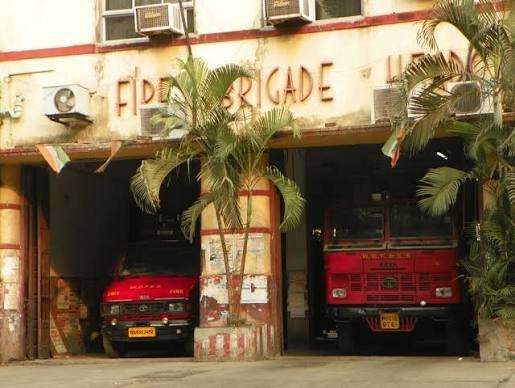
| Notable institutions | West Bengal Fire Services HQ, Braganzas music store |
| Known for | Secondhand books/records, budget hotels, eclectic dining |
| Best for | Backpackers, budget travellers, book and music collectors |
Where the Street Sits and How to Reach It
Mirza Ghalib Street runs through central Kolkata, connecting Surendranath Banerjee Road in the north to Park Street in the south. North of the S.N. Banerjee Road crossing, the road changes character and name again, becoming Hospital Street. Lindsay Street and Sudder Street both cross it, tying the whole stretch into Kolkata’s dense central tourism and shopping district — a locality that also brings New Market and Park Street’s restaurant strip within easy reach.
Esplanade and Park Street metro stations both sit within comfortable walking distance, and given the street’s north-south orientation, whichever end you’re heading toward usually determines which station makes more sense. Taxis, buses, and autos all run through the area regularly, and app-based cabs have no trouble reaching either end. Given how central the location is — practically equidistant from New Market, Sudder Street, and Park Street’s dining strip — walking tends to be the easiest way to actually explore the street itself once you’ve arrived by any of the above.
Shops and What the Street Is Known For
Secondhand books and records are the street’s most distinctive draw, built up over generations of trade with budget travellers passing through Kolkata. The Piccadilly Book Shop, one of the oldest dealers of both secondhand and new books here, has become something of a pilgrimage stop for bookworms — stocking everything from half-price Tintin and Asterix comics to genuinely rare finds that collectors travel across the city to track down.
Braganzas, a pre-Independence music store located just a few yards from Tung Fong, holds a particular place in Kolkata’s cultural memory. It’s credited as the first shop in the city to stock imported musical instruments, and its old clientele reportedly included S.D. Burman, R.D. Burman, and Satyajit Ray — a lineage that music lovers visiting Kolkata still make a point of learning about. Alongside the instruments, the street carries old embroidery shops, Kalman’s (a shop of Hungarian origin), and Leather Club for leather goods — the kind of eclectic mix that comes from decades of catering to a genuinely international customer base.
Food runs the full range here, and this variety is one of the street’s biggest draws for Indian visitors exploring Kolkata’s dining scene. Shamiana serves cheap, reliable Mughlai fare; Prince and Princess handle affordable Bengali cuisine; and Mocambo, sitting at the upscale end, offers continental dining that draws diners well beyond the street’s budget-traveller crowd. The area is also known for some of the city’s best Bangladeshi food, a reflection of how closely this stretch overlaps with Kolkata’s broader cross-border tourism corridor around neighbouring Marquis Street.
History is folded into the walk too. The house where novelist William Makepeace Thackeray was born in 1811 still stands on the street — a detail many locals themselves only notice after walking past it dozens of times. The West Bengal Fire Services headquarters, a functioning reminder of the road’s colonial-era institutional roots, sits nearby as well.
Who Visits Mirza Ghalib Street and Why
The street draws a genuinely mixed crowd: foreign backpackers and budget travellers who’ve relied on its cheap hotels for decades, Bangladeshi visitors overlapping with the nearby Marquis Street tourism corridor, and increasingly, Indian domestic travellers and students looking for an affordable, well-located base near Park Street and New Market. This diversity is part of what gives the street its distinctive, slightly bohemian character compared to the more polished commercial energy of Park Street just a few minutes’ walk away.
Nearby Areas Worth Visiting Together
Sudder Street, running close by, shares Mirza Ghalib Street’s budget-hotel and backpacker character and is often treated as a single combined district by visitors staying in the area.
New Market, Kolkata’s iconic Victorian-era shopping complex, sits within easy walking distance and pairs naturally with a Mirza Ghalib Street visit for anyone spending a day shopping and eating in central Kolkata.
Park Street anchors the street’s southern end and offers the sharpest contrast nearby — upscale dining and colonial-era institutions a short walk from Mirza Ghalib Street’s more budget-driven energy.
Marquis Street, adjacent near Dharmatala, extends the same cross-border traveller culture and adds another layer of currency exchange counters, travel agencies, and Bangladeshi-focused eateries to the neighbourhood.
FAQs
Q1. Is Mirza Ghalib Street the same road as Free School Street?
Yes — Free School Street was officially renamed Mirza Ghalib Street in 1969, though both names are still used interchangeably by locals, on maps, and even on some shopfronts.
Q2. What should I look for if I’m hunting for rare or secondhand books here?
The Piccadilly Book Shop is the most reliable starting point, known specifically for a mix of half-price comics and genuinely hard-to-find titles — it’s worth setting aside at least half an hour to browse properly rather than rushing through.
Q3. Which metro station is more convenient for reaching the street — Esplanade or Park Street?
It depends on which end you’re visiting. Esplanade works better for the northern stretch near S.N. Banerjee Road, while Park Street metro station is the shorter walk if you’re headed toward the southern end near Park Street itself.
Q4. Is Mirza Ghalib Street safe for solo travellers, including women, given its backpacker reputation?
The street stays busy and well-trafficked through most of the day and evening given the constant flow of hotel guests, diners, and shoppers, which generally contributes to a lived-in, visible environment — standard city-travel precautions that apply to any busy central Kolkata locality are sensible here as well.